The Fragile Progress of Democracies and Bad Bedfellows
It’s now almost a year since the Labour Party won the last election and the context in which it was won is in itself interesting: my view is rather than “Labour Sweeping to Victory,” it was the Conservatives that “Crashed to Defeat.” Either way, it felt pretty good at the time!
“If you want to make the gods laugh, show them your plans” (or similar), this sober reflection on the unpredictability of life came to horrific fruition when the brutal murders and assaults of Southport and the ensuing Civil Unrest, brought into sharp and stark focus, the dangerous currents that move beneath the surface of society; ones that are strong enough to pull us all out to an unforgivingly dangerous seas. And for every action, there is a reaction: the Government's response? Swift, decisive and divisive one it could be argued, that it contributed to further pressurising the fault lines and cracks in a series of already stressed society.
What's The Direction of Travel?
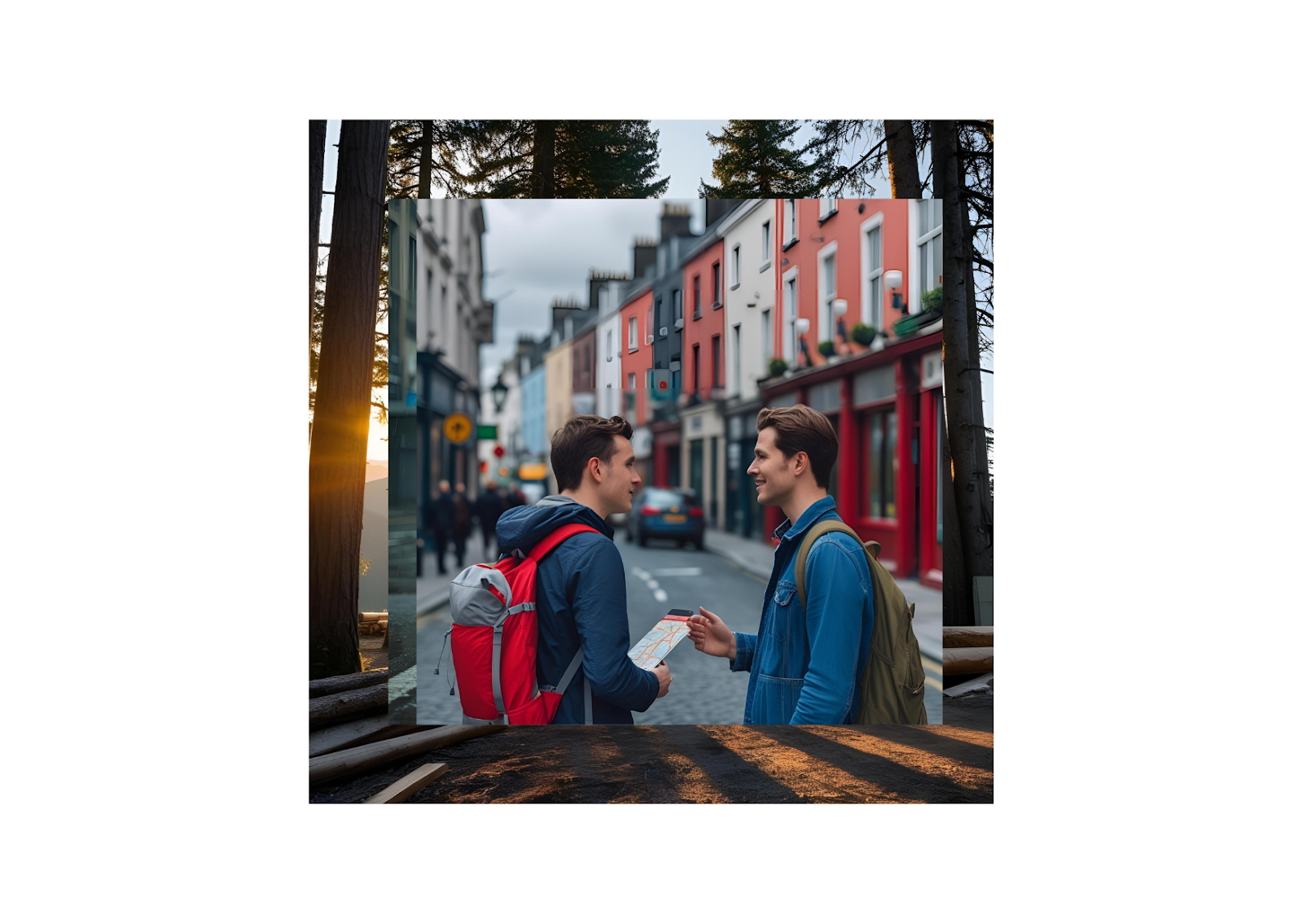
There’s an old line from Ireland: a traveller asks, “How do I get to Dublin?” and the reply is “Well, I wouldn’t start from here!”
But, we seldom have a choice do we? Lame as it sounds, the line “We are where we are,” has deep and important significance as we try hard to work out why the present is so difficult to understand, that the future is uncertain and it seems, determined to thwart our journey; you know, “It just shouldn’t be like this!”
So, why? Well, I’m not going back too far here, (honestly, I have a life!), but here we go. Since 2020, we’ve had: the Pandemic and Lockdown, and these combined, I feel, to expose some cruel social and economic fault lines that have (in some cases) been developing since the end of WW2. The Russian invasion of Ukraine together with its impacts on economies, supply chains and our general sense of safety and well-being, the increased impacts of Brexit, Liz Truss, strains on the NHS and Care Gazza. Add to this a toxic narrative that thrives and grows and multiplies in the petri-dish of informal immigration that contributes to to pre-existing cultural and religious hostilities and we have an increased potential to become more open to accepting of a narrative formed around this idea...
“The reason you’re doing so badly, is because they are doing so well”
Bad news is amplified, good news and fine intentions are mocked, the Nation is persuaded to see itself as weak and at the mercy of dangerous international conspirators and we are encouraged, by default, to be less kind to “all but our own.” I wonder where this has happened before?
And then there’s Donald Trump: I’m not sure what happened to the collective American psyche, however his presence on the world stage is truly Shakespearian, and in a not-good way. I’ll leave it there...for now at any rate

There was in 1987, the release of a six series sitcom called “Big Jim and The Figaro Club.” Set in the 1950’s, it revolves around the “relationship” between a group of builders and their foreman: a strong social metaphor in itself! The builders talk of,
.'when we was going to build the new Jerusalem - you know, before the world turned lax and sour'. “
and the series was in my view, a delightful gift of high comedy combined with sharp social commentary and its voice is more important now then it was then, as our individual and collective worlds appear to have turned “lax and sour.” Mistrust and cynicism appear, for now, to have won. Our world has indeed appeared to have turned "lax and sour!"
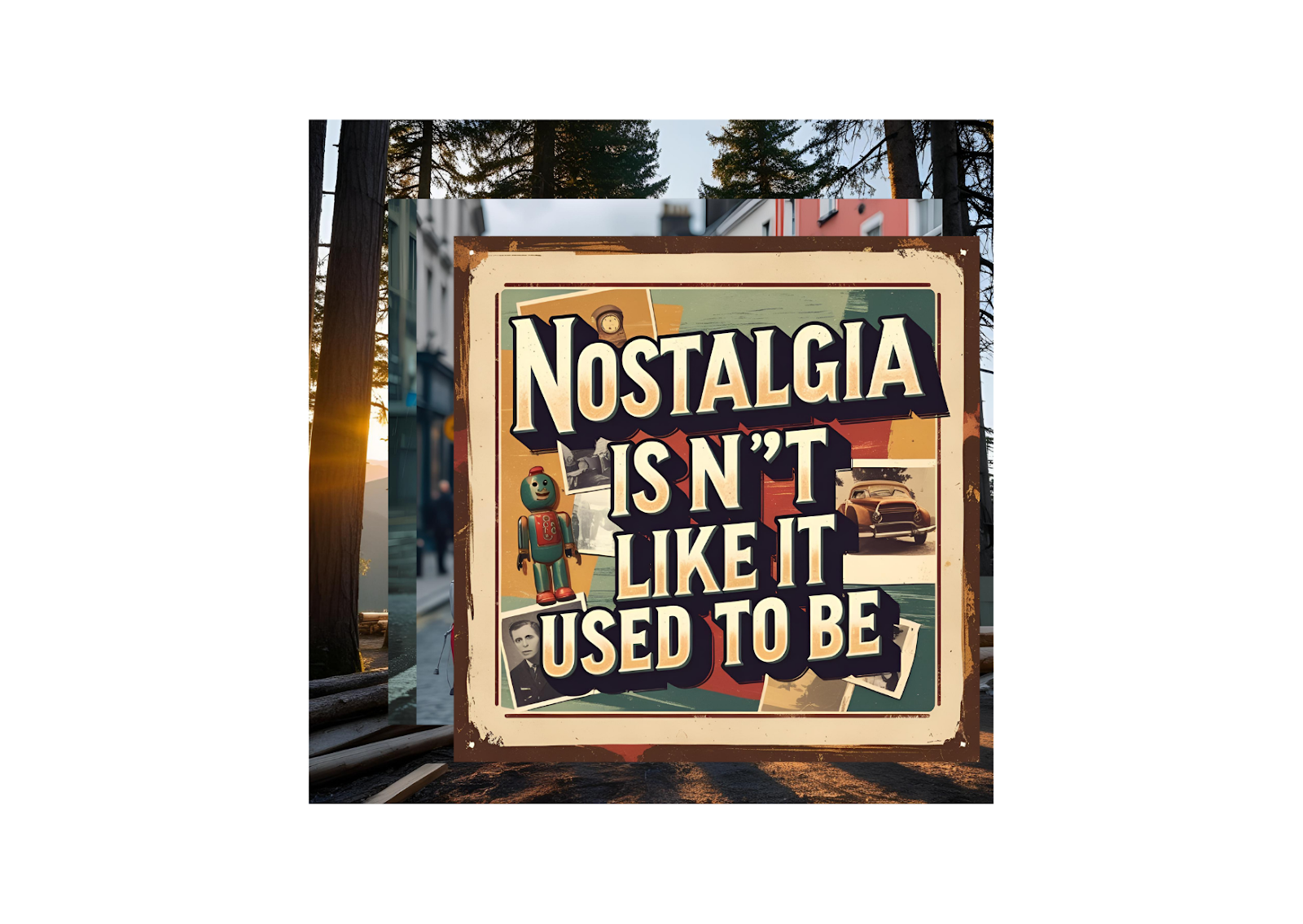
I follow a few “The Way We Were” type groups on Facebook. You might know this sort of thing, photos of towns and cities from not so long ago. Safe enough eh? Well, not really: nostalgia is manipulated through comments that refer to
“Safer and happier times, when Britain was Britain”
And the explicit and implicit messages therein are a concern to me, mainly because this approach works and feeds not, “nostalgia” as we understand it, but rather a “toxic nostalgia,” one that leaves us open to misinformation and manipulation.
So, where to now?
We need to talk with each other, not at each other, and these conversations need to happen at a highly localised level. They need to create both tangible and “feel good” outcomes and will need to take place in venues other than formal structures within which there is an explicit or implicit political (or Political ) agenda. My emergent vision is one where political institutions, organisations and organisers are known for their ability to facilitate that which is good and needed at local, almost street levels. Given that I’ve cast some shade (getting down with the kids here-yeah, right!) on nostalgia, I want to take you back to the earlier days of the pandemic. It was at this point that people went out of their way to help each other: small acts of great significance made life better at a challenging time, the spirit of which was eventually diluted by greedy,corrupt liars, ones for whom the only standard was a double one: they were and still are the worst of bedfellows to fragile democracy. But we mustn’t forget what we can be, especially when we talk to each other a little more, care for each other a little more and in so doing, reinforce the ties that bind us together, much more.

